



Why Weekend Pool Cleaning Feels So Heavy for Many Owners
For many pool owners, the weekend becomes cleanup time. During the week, work, school, commuting, and family tasks take priority. Pool care often gets delayed until Saturday or Sunday. At first, this may seem manageable. But over time, the routine creates pressure.
When cleaning is pushed into one or two weekend sessions, the workload often feels too large. Leaves have more time to collect. Dust settles to the floor. Debris drifts into corners and along steps. Surface mess may be easy to spot, but fine dirt at the bottom is often worse than expected. What could have been handled in smaller steps during the week becomes one longer job.
This does not only affect the pool. It also affects how people feel about using it. A pool that needs attention every weekend can start to feel like another household chore. Instead of looking forward to free time, owners begin to plan around maintenance.
Modern pool equipment helps reduce that pressure because it changes when and how cleaning happens. It shifts pool care away from a single heavy session and toward a lighter, more regular routine.
The Problem With Saving Most Pool Work for the Weekend
Dirt Does Not Wait for Free Time
Pools collect debris every day. Wind can blow in leaves and dust. Rain can wash dirt into the water. Swimmers bring in sunscreen, grass, and small particles from the yard. Even when a pool looks fairly clean from a distance, buildup often starts earlier than people expect.
The problem is simple. Debris enters the pool on its own schedule, not yours. If cleaning only happens on weekends, dirt has several days to settle and spread. Some particles stay on the surface. Others sink and collect in areas with weaker circulation. Once debris sits too long, cleaning becomes slower and less pleasant.
Weekend Cleaning Often Turns Into Catch-Up Work
Many owners do not mind doing a little maintenance. What they dislike is catch-up work. That happens when one missed task leads to several extra ones. A quick skim becomes skimming plus brushing plus vacuuming. A simple floor check turns into a deep clean.
This catch-up cycle is one of the main reasons weekend pool care feels stressful. The issue is not always the total amount of work over time. It is the way the work piles up in one narrow window.
How Modern Equipment Changes the Cleaning Pattern
It Supports More Frequent Light Cleaning
Modern pool equipment helps by making cleaning easier to repeat. Instead of waiting for a big manual session, owners can keep debris under control with more regular support. This reduces buildup before it becomes obvious.
That shift matters. Light and frequent cleaning is usually easier than heavy and occasional cleaning. When dirt is removed earlier, it has less time to settle into stubborn areas. Walls stay cleaner. The floor stays more manageable. The pool does not move as quickly from “acceptable” to “needs work.”
It Reduces Dependence on Manual Energy
Weekend cleaning pressure is not only about time. It is also about energy. After a full week, many people do not want to spend part of their day doing repetitive pool work. Even owners with good intentions may postpone tasks simply because they feel tired.
Modern equipment helps reduce this problem by lowering the amount of effort needed to maintain a clean pool. That does not mean owners do nothing at all. It means routine cleaning does not rely so heavily on motivation and spare time. In practical terms, that makes a big difference.
Why Smaller Maintenance Steps Lead to Better Results
A Clean Pool Is Easier to Keep Clean
One of the most useful ideas in pool care is that a clean pool is easier to maintain than a dirty one. Once debris builds up, every task takes longer. Fine dirt spreads across the floor. Leaves break apart. Corners collect more mess than expected. By contrast, a pool that stays in decent shape all week needs less correction later.
Modern equipment supports this kind of steady baseline. It helps owners avoid the sharp drop in cleanliness that often happens between one weekend and the next.
Consistency Lowers Stress
There is also a mental benefit. Pool care feels less stressful when it becomes predictable. Owners do not have to wonder how bad the pool will look after a busy week. They do not need to plan a large cleanup session before guests arrive or before children want to swim. A more stable routine lowers uncertainty, and that makes pool ownership feel easier.
The Role of Automation in Reducing Weekend Pressure
Automation Helps Spread the Work Across the Week
One reason automation is useful is that it spreads cleaning effort across more days. Instead of asking the owner to solve everything at once, it helps keep conditions from slipping too far in the first place. This is especially valuable for people whose weekdays are busy and whose weekends already feel short.
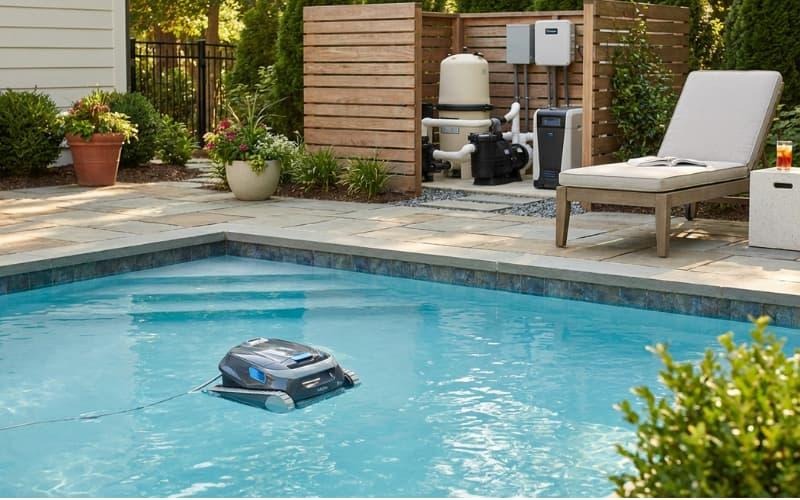
In this kind of routine, a tool like an iGarden pool vacuum fits best as part of regular upkeep rather than a last-minute fix. Used this way, it supports a cleaner pool throughout the week and reduces the need for an exhausting reset on Saturday or Sunday.
It Helps Owners Focus on Higher-Value Tasks
Not all pool care can or should be ignored. Water chemistry still matters. Filters still need attention. Seasonal checks are still important. But these tasks are easier to manage when owners are not spending the bulk of their weekend on basic debris removal.
That is another advantage of modern equipment. It can help shift attention from repetitive cleaning toward the parts of pool care that actually require judgment.
What Busy Households Gain From Smarter Pool Equipment
More Usable Weekends
The most obvious benefit is time. When pool cleaning pressure drops, weekends feel more open. Owners can spend less time catching up and more time using the pool, relaxing outside, or handling other priorities.
This matters because the weekend is limited. Families want time for rest, not just maintenance. Equipment that reduces routine cleaning strain helps protect that time.
A Pool That Stays More Ready to Use
Another benefit is readiness. Pools are more enjoyable when they feel available without extra preparation. If the water looks clean and the floor is under control, it is easier to use the pool on short notice. That could mean a quick swim after work, a spontaneous family afternoon, or a more relaxed weekend morning.
A pool that stays closer to ready condition is simply more useful.
Modern Equipment Works Best With a Smarter Routine
It Should Support the Owner’s Real Schedule
The value of modern pool equipment is not just in what it can clean. It is in how well it fits everyday life. Good equipment should make the routine lighter, not more complicated. It should support the owner’s actual schedule, including busy workweeks and unpredictable weekends.
This is why the best results often come from combining the right equipment with realistic habits. Small checks, regular debris control, and fewer delayed tasks usually create a smoother maintenance pattern.
The Goal Is Less Pressure, Not Perfect Control
Pool owners do not need a perfect system. They need one that feels sustainable. A lower-pressure routine is often more valuable than an ideal routine that demands too much time and attention. Modern equipment helps because it makes pool care easier to maintain in normal life, not just in ideal conditions.
A Cleaner Pool Should Not Depend on One Long Weekend Session
Modern pool equipment helps reduce weekend cleaning pressure by changing pool care from a heavy, delayed job into a more manageable process. It supports consistency, lowers manual effort, and helps prevent small messes from turning into large ones.
For many owners, that is the real benefit. The pool stays in better condition, but the weekend feels lighter too. Instead of spending free time catching up on debris and dirt, they can spend more of it actually enjoying the space.
That is what modern pool care should do. It should make ownership easier to live with, not harder to keep up with.