



freddy krueger
Introduction: Why Freddy Krueger Still Gets Under Our Skin
Let’s be honest for a moment. We’ve all had that dream. The one where you’re running, but your legs won’t move fast enough. The one where you know something bad is coming, but you can’t wake up. Now imagine if that fear had a face, a voice, and a twisted sense of humor. That’
What’s fascinating—and a little unsettling—is that Freddy Krueger. isn’t just another horror villain. He doesn’t chase you down a dark alley. He waits for you to fall asleep. And since sleep is something we all need, well… you can see why he stuck with us.
Decades later, Freddy Krueger remains one of the most recognizable characters in horror history. And today, we’re diving deep into who is, why he works as a character, and why he still matters.
The Birth of Freddy Krueger
A Nightmare That Became a Movie Legend
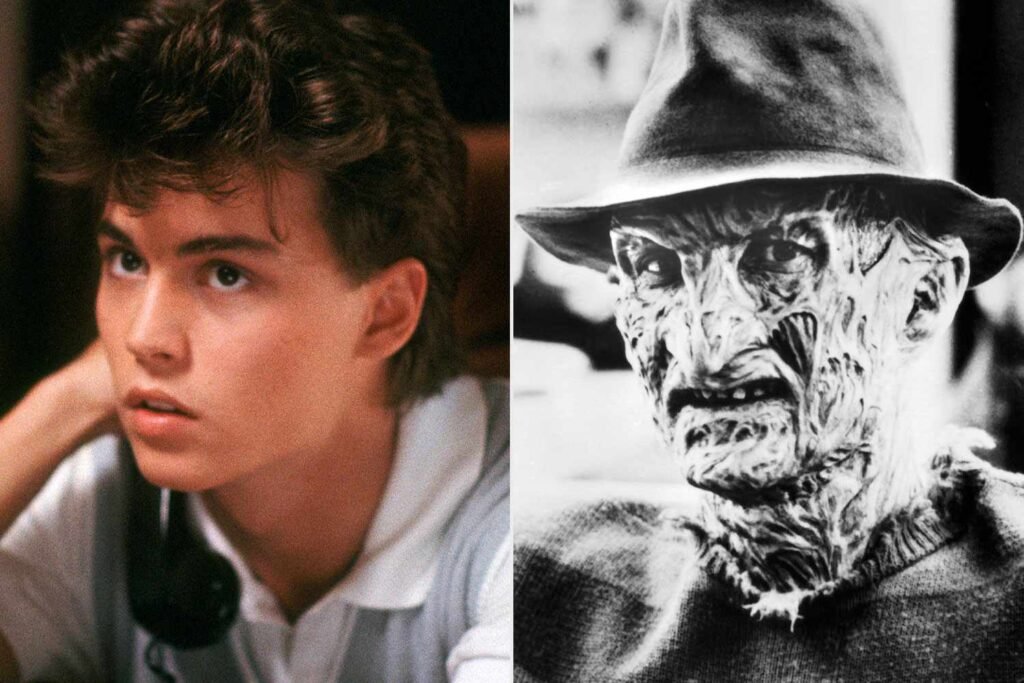
Freddy Krueger first appeared in “A Nightmare on Elm Street” (1984), created by director Wes Craven. What’s interesting is that the idea wasn’t random. Craven was inspired by real news stories about people who reportedly died in their sleep after experiencing intense nightmares.
That concept alone is chilling. But then Craven added a villain who could kill you in your dreams, and suddenly horror changed forever.
Freddy wasn’t hiding under the bed. He was the bed. Or the dream. Or the thing your brain couldn’t escape.
Why the Concept Was So Powerful
Most horror movies rely on physical danger. Freddy Krueger attacked something more personal: the mind. Sleep is supposed to be safe. Restful. Necessary.
Freddy turned that idea upside down.
Who Is Freddy Krueger?
The Man Before the Monster
Before becoming the burned, glove-wearing nightmare figure, Freddy Krueger was portrayed as a deeply evil man whose actions led to his death at the hands of angry parents.
But here’s the thing— didn’t die.
Instead, he came back as something worse. Something supernatural. Something fueled by fear, anger, and revenge.
The Dream Demon Persona
As a dream-based entity, Freddy gained abilities that made him terrifyingly unpredictable:
- He could bend reality
- Change shape
- Manipulate environments
- Use a victim’s fears against them
And the most disturbing part? He enjoyed it
Iconic Look
Why His Design Works So Well
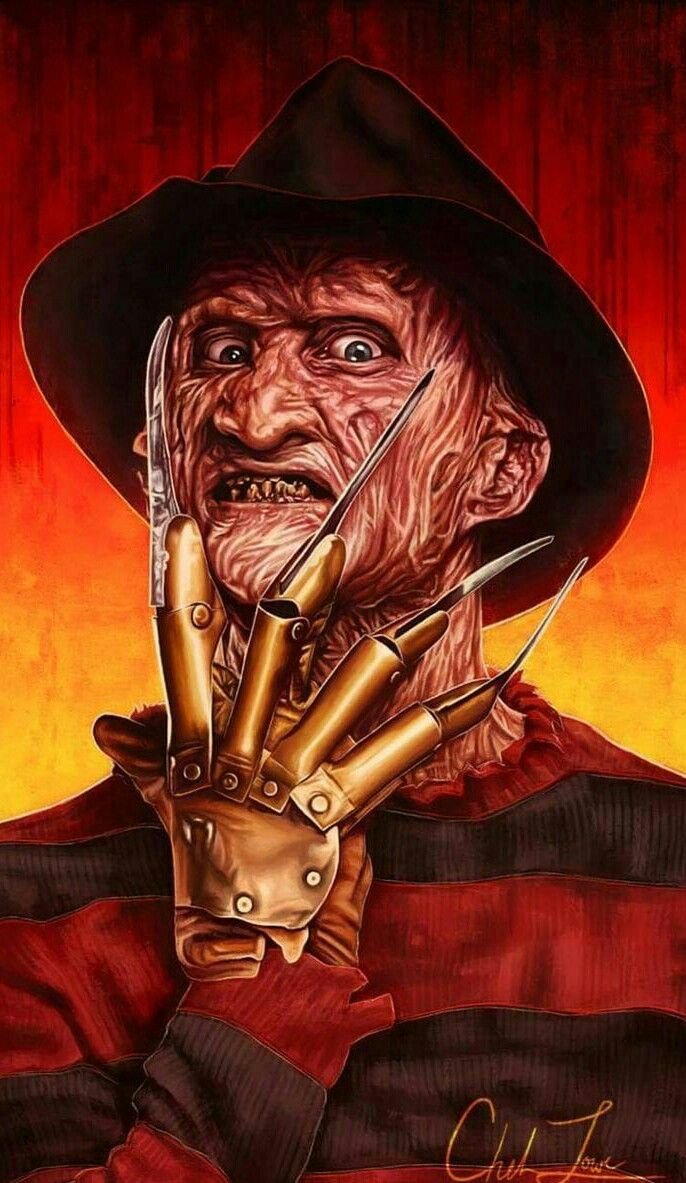
You can recognizeinstantly, even in silhouette:
- Red and green striped sweater
- Brown fedora
- Burn-scarred face
- The glove with razor-sharp blades
This wasn’t an accident. The colors of the sweater were chosen because they naturally clash in the human brain, making viewers uncomfortable without knowing why.
That’s smart horror design.
The Glove: Simple, Yet Terrifying
Freddy’s glove is one of the most iconic weapons in movie history. It’s not flashy. It’s personal. Close. And when paired with his slow, confident movements, it becomes unforgettable.
Personality: Horror With a Voice
A Villain Who Talks Back
Unlike silent killers, Freddy Krueger talks. A lot.
He jokes. He taunts. He laughs. And that makes him scarier in a different way. He knows what he’s doing, and he wants his victims to know it too.
You know what’s interesting? This personality shift is what helped Freddy stand out. Over time, he became less of a shadow and more of a dark entertainer.
Humor as a Weapon
twisted humor isn’t there to make things light. It actually makes the fear worse. Humor disarms people. It lowers defenses. And Freddy uses that to his advantage.
The Nightmare on Elm Street Film Series
The Original Film’s Impact
The 1984 original is still considered a horror classic. It introduced:
- Dream logic storytelling
- Psychological fear
- A villain with rules—but flexible ones
And more importantly, it proved horror could be smart and creative, not just shocking.
Sequels and Evolution
As the franchise continued, Freddy Krueger evolved. Some films leaned more into horror, others into dark comedy. Fans still debate which era was best.
But one thing is clear: Freddy never stopped being memorable.
Other Horror Icons
Why Freddy Feels Different
Let’s compare for a moment:
- Jason Voorhees: Silent, physical force
- Michael Myers: Cold, unstoppable presence
- Freddy Krueger: Intelligent, verbal, psychological
Freddy attacks your mind first. Your confidence. Your sense of safety. And that makes him unique.
The Psychology Behind Freddy Krueger
Fear of Losing Control
Dreams represent a loss of control. You don’t choose what happens. Freddy thrives in that space.
And honestly, that taps into a very real human fear—the idea that no matter how strong or prepared you are, you can still be vulnerable.
Sleep Deprivation as Horror
One of the most unsettling themes in the series is sleep deprivation. Characters try to stay awake to survive. We’ve all been tired enough to feel that panic.
Freddy weaponizes exhaustion.
Freddy Krueger in Pop Culture
Beyond the Movies
Freddy didn’t stay confined to film. He appeared in:
- TV shows
- Comics
- Video games
- Merchandise
- Halloween costumes
He became a pop culture icon, not just a horror villain.
Why People Still Dress as Freddy
Even today, decades later, Freddy Krueger remains a popular costume choice. Why? Because he’s instantly recognizable. One glove, one hat—and everyone knows.
The 2010 Freddy Krueger Reboot
A Darker Interpretation
The reboot aimed to make Freddy more serious and unsettling. While reactions were mixed, it showed something important: the character was still relevant enough to revisit.
That alone says a lot.
Freddy Krueger’s Lasting Legacy
Why He Endures
Freddy Krueger endures because he represents something universal:
- Fear of sleep
- Fear of vulnerability
- Fear of the mind turning against itself
Technology changes. Audiences change. But nightmares? Those stay the same.
What Freddy Krueger Teaches Us About Horror
You know what’s funny? Freddy Krueger teaches us that the best horror isn’t always loud. Sometimes it’s quiet. Internal. Psychological.
The kind that follows you into your dreams.
Conclusion: Freddy Krueger Never Really Leaves
Freddy Krueger isn’t just a character you watch on screen. He’s an idea. A reminder that fear doesn’t need permission. That nightmares don’t wait for darkness. And that sometimes, the scariest place isn’t a haunted house—it’s your own mind.
So the next time you drift off to sleep, remember this:
Freddy Krueger is still out there. Waiting.
Sweet dreams… or maybe not.
FAQs About Freddy Krueger
1. Who created Freddy Krueger?
Freddy Krueger was created by filmmaker Wes Craven for A Nightmare on Elm Street (1984).
2. Why is Freddy Krueger so scary?
Because he attacks people in their dreams, removing the sense of safety that sleep usually provides.
3. Is Freddy Krueger based on real events?
He was inspired by real stories involving people who suffered extreme nightmares and sleep-related deaths.
4. Why is Freddy Krueger still popular today?
His unique concept, iconic design, and psychological horror elements keep him relevant across generations.