

wordle hint
Have you ever opened Wordle feeling confident… only to stare at those gray tiles like they personally betrayed you? Yeah, same here. One wrong guess leads to another, and suddenly you’re on your last attempt, heart racing, wondering how a five-letter word turned into a full-blown mental workout.
That’s exactly why Wordle hints exist.
Not answers. Not spoilers. Just gentle nudges that help you think more clearly, spot patterns faster, and — honestly — enjoy the game instead of stressing over it. And trust me, once you learn how to use Wordle hints the right way, your daily streak will thank you.
So let’s talk about Wordle hints — what they are, how to use them, and how they can turn you from “almost got it” into “nailed it.”
What Is Wordle, and Why Are We All So Obsessed?
If you’re reading this, chances are you already know Wordle. But let’s set the stage anyway.
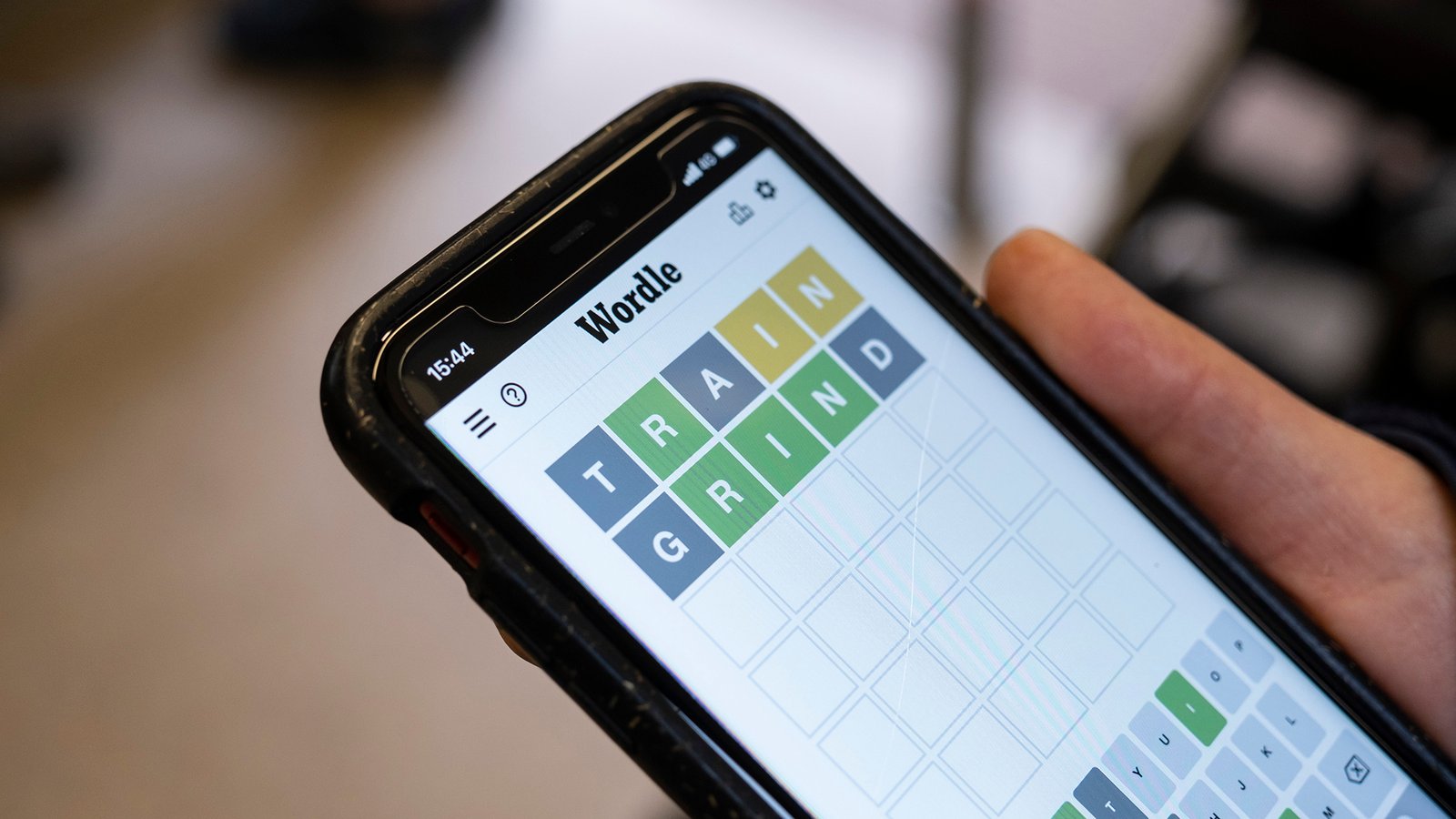
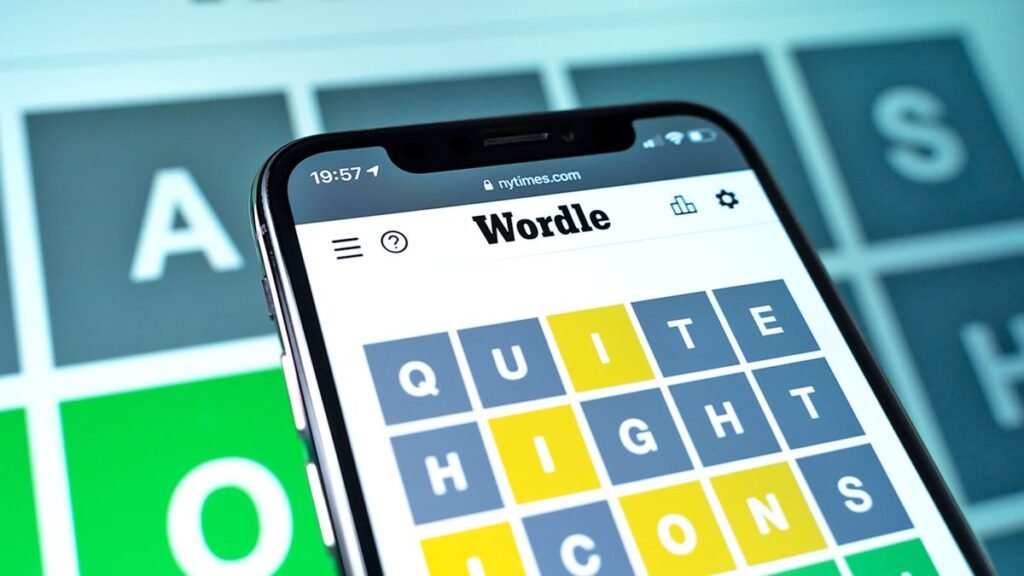
Wordle is a daily word puzzle where you have six tries to guess a five-letter word. Each guess gives feedback:
- Green means the letter is correct and in the right place
- Yellow means the letter is in the word but misplaced
- Gray means the letter isn’t in the word at all
Simple rules. Brutal execution.
And here’s what makes it addictive:
- Everyone gets the same word
- It resets daily
- You can’t brute-force it endlessly
- One mistake early can cost you the game
That’s where a Wordle hint can make all the difference.
What Exactly Is a Wordle Hint?
Let’s clear something up first.
A Wordle hint is not:
- The final answer
- A spoiler
- A shortcut that removes the challenge
Instead, a Wordle hint:
- Guides your thinking
- Narrows down possibilities
- Helps you avoid common traps
Think of it like a friend saying, “You’re close… but rethink that middle letter.”
And honestly? That’s way more satisfying than just copying the answer.
Why Wordle Feels Harder Than It Looks
You know what’s interesting? Wordle isn’t just about vocabulary. It’s about logic, probability, and pattern recognition.
Here’s why people struggle:
- English words have tricky letter combinations
- Some letters appear more often than others
- Our brains jump to familiar words too fast
- Repeated letters mess with our assumptions
We’ve all guessed a word assuming every letter is unique — only to find out there’s a double letter hiding in plain sight. Painful, right?
This is where Wordle hints shine.
How to Use a Wordle Hint Without Ruining the Fun
There’s an art to using hints well.
The Right Way to Use a Wordle Hint
- Play at least two guesses first
Give your brain a chance to work before asking for help. - Use hints to eliminate, not confirm
A good hint narrows options — it doesn’t lock them in. - Think about structure, not just letters
Word shape matters more than most people realize. - Apply the lesson to future games
Patterns repeat. Learn them.
A hint should feel like an “aha” moment, not a cheat.Types of Wordle Hints (And How to Read Them)
Not all hints are created equal. Let’s break down the most common ones.
1. Letter-Based Wordle Hints
These focus on the alphabet itself.
Examples:
- “The word contains two vowels”
- “There is a repeated letter”
- “No uncommon letters like Q or Z”
👉 These hints help you choose smarter guesses without giving the word away.
2. Position-Based Wordle Hints
These deal with placement.
Examples:
- “The first letter is a consonant”
- “The last letter is a vowel”
- “The middle letter repeats”
Once you know where something goes, half the battle is over.
3. Meaning-Based Wordle Hints
These are more semantic.
Examples:
- “The word relates to emotion”
- “It’s a verb”
- “It describes a physical object”
This type of hint helps narrow your mental dictionary fast.
4. Elimination Hints
Honestly, these are underrated.
Examples:
- “The word does not end in S”
- “There are no silent letters”
- “It’s not plural”
Sometimes knowing what isn’t there is more useful than knowing what is.
Best Starter Words (A Hint Before You Even Start)
Let’s talk strategy.
Your first word matters. A lot.
What Makes a Great Starter Word?
- Contains common vowels
- Uses frequent consonants
- Avoids repeating letters
Examples of strong starter words:
- SLATE
- CRANE
- AUDIO
- RAISE
- SOARE
These aren’t guaranteed wins — but they give you information fast. And information is power in Wordle.
Mid-Game Wordle Hint Strategy (Where Most People Fail)
This is where streaks die.
You’ve got:
- Some green letters
- A few yellows
- Limited guesses left
And panic sets in.
What to Do Instead
- Stop guessing random “possible” words
- Use testing words to eliminate letters
- Avoid reusing gray letters — seriously
Sometimes the best move isn’t guessing the answer — it’s guessing a word that gives you more data.
Counterintuitive, but effective.
Repeated Letters: The Wordle Trap Everyone Falls Into
Let’s talk about the elephant in the room.
Repeated letters.
Words like:
- LEVEL
- HAPPY
- SASSY
They look harmless. But they ruin streaks.
Wordle Hint for Repeated Letters
If your guesses feel “close” but nothing fits:
- Consider that one letter may appear twice
- Especially common with L, S, E, O
Many players don’t test duplicates early — and that’s a mistake.
Why Wordle Hints Make You Better Over Time
Here’s something most people miss.
Using Wordle hints doesn’t make you weaker — it makes you smarter.
Over time, you’ll:
- Recognize letter patterns faster
- Avoid low-value guesses
- Improve logical elimination
- Stay calm under pressure
Eventually, you’ll need fewer hints. That’s growth.
Common Wordle Mistakes (Even Smart Players Make These)
Let’s be honest. We all mess up.
Watch out for:
- Guessing emotionally instead of logically
- Ignoring yellow-letter placement rules
- Forgetting that letters can repeat
- Locking into one idea too early
Wordle rewards patience, not speed.Wordle Hint vs Wordle Answer: Why Hints Are Better
Sure, answers end the stress instantly.
But hints?
- Preserve the challenge
- Keep your streak meaningful
- Actually teach you something
Winning because you figured it out feels so much better than copying a solution.
And you know it.
How Often Should You Use a Wordle Hint?
There’s no shame here.
A healthy approach:
- Beginner: Use hints freely
- Intermediate: Use 1 hint max
- Advanced: Only when stuck
Wordle is a game — not a test. Enjoy it.
Wordle as a Daily Brain Habit
You know what’s kind of beautiful about Wordle?
It’s five minutes of focused thinking in a chaotic day.
It sharpens:
- Vocabulary
- Logic
- Pattern recognition
And a good Wordle hint just helps keep that habit fun instead of frustrating.
Conclusion: Use Wordle Hints to Play Smarter, Not Lazier
Here’s the bottom line.
A Wordle hint isn’t cheating. It’s a learning tool. When used thoughtfully, it helps you understand the puzzle’s logic, avoid common mistakes, and enjoy the game more.
So next time you’re stuck, don’t rage-quit. Take a breath. Use a hint. Learn something.
Tomorrow’s puzzle will still be waiting — and you’ll be better prepared.
FAQs About Wordle Hints
1. What is a Wordle hint?
A Wordle hint is a clue that helps guide your thinking without revealing the answer.
2. Are Wordle hints considered cheating?
No. They help you improve while keeping the puzzle challenging.
3. When should I use a Wordle hint?
After a few guesses, when you’re stuck or running out of logical options.
4. Do Wordle words repeat?
Rarely. Most solutions are unique, which is why strategy matters.