



What does vsync do is a question many gamers and computer users ask when they notice screen tearing or stuttering in their games or videos. Vsync, short for vertical synchronization, is a technology that helps match the frame rate of your graphics card to the refresh rate of your monitor. When the frames sent by your graphics card do not match the speed at which your screen refreshes, you can see lines or glitches on the display called screen tearing. This can be very distracting, especially when you are playing fast-paced games where every second counts. By turning on vsync, your graphics card waits for your monitor to be ready before sending the next frame. This can make motion look smoother, reduce flickering, and improve the overall visual experience. Many new gamers and even experienced users sometimes do not understand what does vsync do, but once they enable it in their games, they notice a big difference in how smooth the game feels. Vsync works differently depending on the type of monitor and graphics card you have. Traditional monitors with 60 Hz refresh rates benefit a lot from vsync because it limits the frame rate to 60 frames per second, ensuring every frame is fully displayed.
What Does Vsync Do and How It Helps Your Games Run Smooth
What does vsync do is help your games run smoother by matching your graphics card frames with your monitor refresh rate. When you play fast games, sometimes the screen shows parts of two different frames at the same time, and this is called screen tearing. Vsync stops this by waiting for the monitor to be ready before showing the next frame. This makes movements in games look clean and natural. Games with lots of action, like racing or shooting, feel much better when vsync is on. Even though it might cause a tiny delay, the improved visuals are worth it. Understanding what vsync does can make your gaming more fun and less frustrating.
Understanding What Does Vsync Do for Screen Tearing and Lag
Screen tearing happens when your graphics card sends frames faster than the monitor can show them. What does vsync do is fix this problem by slowing down or timing the frames to match the screen. This reduces tearing and makes everything you see look smooth. However, sometimes vsync can create a small delay between pressing a button and seeing the action in a game, which is called input lag. Even with this tiny delay, vsync is helpful for movies, slow-paced games, and everyday graphics use. Knowing what vsync does helps you choose the right setting for your games and your monitor. It keeps visuals clean and makes watching motion easier on the eyes.
What Does Vsync Do: A Beginner’s Guide to Smooth Gaming
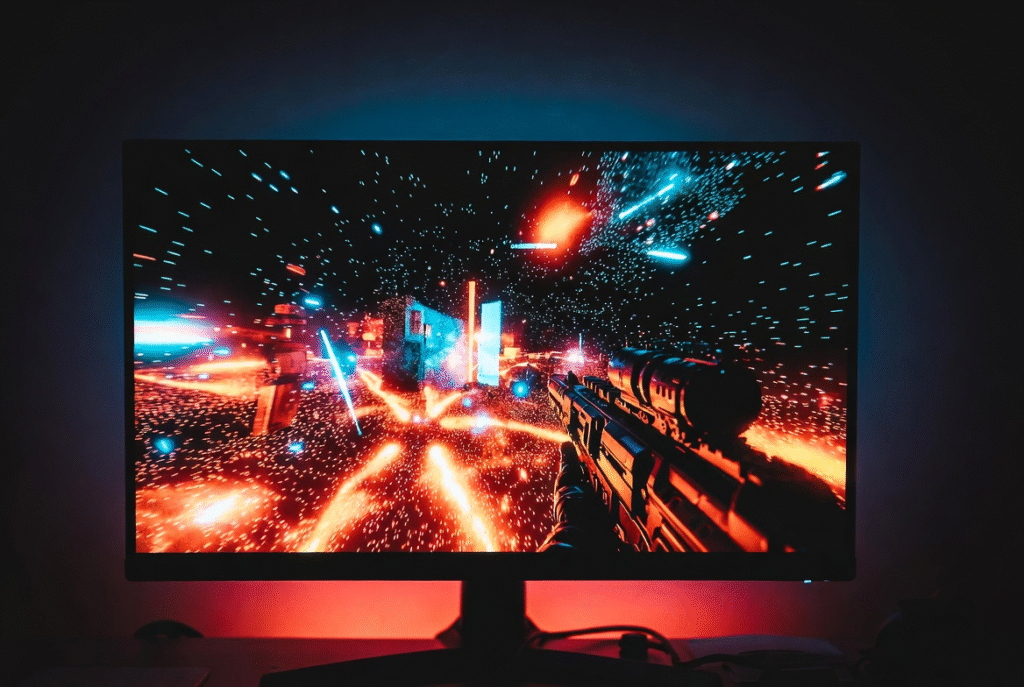
If you are new to gaming, you may ask what does vsync do. Vsync is a feature in video games and graphics settings that makes your game images smoother. When the monitor and graphics card are not synchronized, you might see broken images or lines on the screen. Vsync waits until the monitor is ready before sending the next frame. This gives you smooth gameplay, especially for action and adventure games. Beginners often notice the difference right away because the game feels more natural and less jumpy. Learning how vsync works is easy, and turning it on can make your first gaming experiences much better.
How Vsync Works and What Does Vsync Do for Your Monitor
Vsync works by making sure the graphics card only sends frames when the monitor can show them. What does vsync do for your monitor is stop the screen from showing half of one frame and half of another. This synchronization helps reduce flicker and screen tearing. Monitors with a 60 Hz refresh rate get a big improvement because vsync limits the frames to 60 per second. If your computer sends more frames than the monitor can handle, vsync keeps them in sync. This means motion looks smooth, and videos or games are easier to watch. Understanding how vsync works helps you get the best performance from your monitor and graphics card.
What Does Vsync Do: Fix Screen Tearing Without Slowing Down Games
Vsync fixes screen tearing by making the frames and monitor refresh work together. What does vsync do is stop fast-moving images from looking broken or split on your screen. For many games, this makes the experience much more enjoyable. Some people worry that vsync slows the game down, but modern adaptive vsync options or monitors with variable refresh rates help keep the game smooth without extra lag. Using vsync is especially helpful if your monitor is standard and does not support advanced features. Knowing how to enable it and when to use it can save you from visual distractions while gaming or watching videos.
Learn What Does Vsync Do for Graphics and Video Playback
Vsync is not only for games. What does vsync do for graphics and videos is make them play smoothly without glitches. When your computer sends frames too fast, videos can look jumpy or broken. Turning on vsync makes each frame appear completely before moving to the next. This is useful for watching movies, animation, and editing videos. Even if your graphics card is powerful, vsync keeps visuals consistent. By learning what vsync does, you can adjust settings for different applications and enjoy better picture quality. It is a simple tool that makes screens look clean and motion easy to follow.
Vsync Explained: What Does Vsync Do and When to Use It
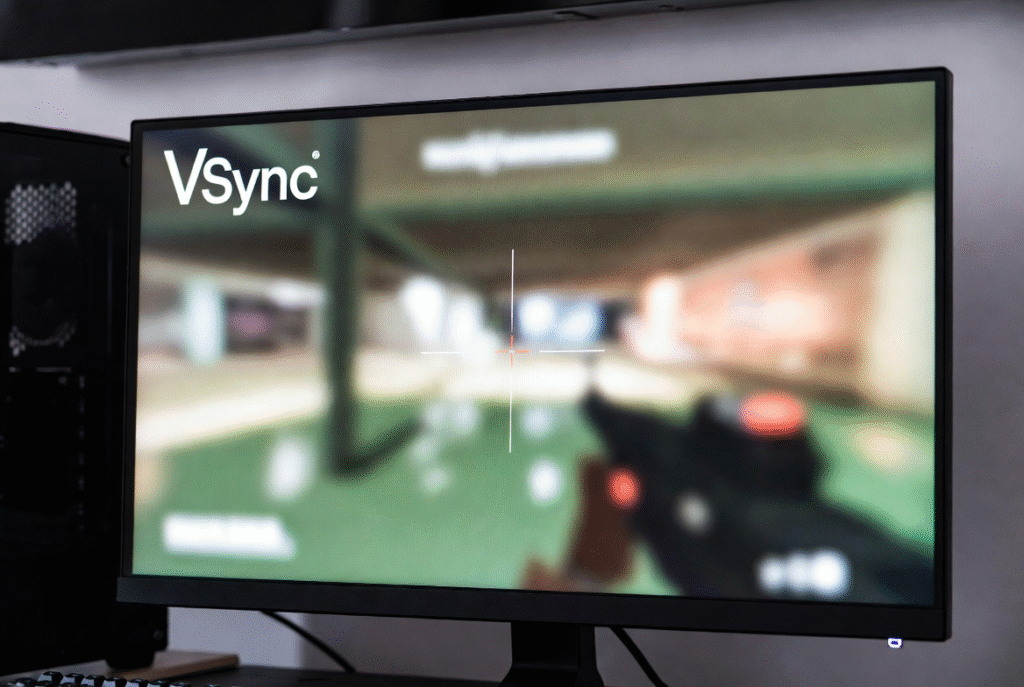
Vsync is easy to understand once you know what it does. It makes sure that your monitor shows frames at the same speed your graphics card produces them. What does vsync do is remove screen tearing and makes images smooth. You should use vsync when you want better visuals, especially for movies, casual gaming, or graphics work. Competitive gamers sometimes turn it off to reduce input lag, but for most people, it helps a lot. Modern monitors with adaptive sync can give you the best of both worlds. Understanding vsync helps you choose the right settings and enjoy games, videos, and animations without annoying visual problems.
Conclusion
What does vsync do is make your computer screen look smooth and clean. It stops screen tearing and makes games, videos, and animations easier to watch. When your graphics card and monitor work together, everything feels natural and fun. Vsync is especially helpful for people who like slow or medium-paced games and for watching movies. Even though it may create a tiny delay in very fast games, the improved visuals are usually worth it. By understanding vsync, you can make smart choices about turning it on or off depending on your monitor and games.
Vsync helps beginners and experienced users alike. It is simple to use and makes a big difference in how your screen looks. Some people think it slows games down, but modern technologies like adaptive vsync or variable refresh rate monitors fix this problem. Knowing what does vsync do can save you from frustration and make your gaming experience smoother. You do not need special skills to enable it. Just go to game settings or graphics options, and you can try it yourself.