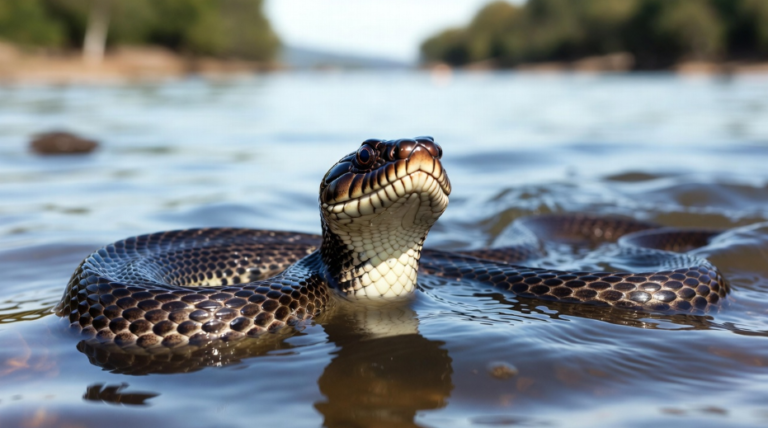


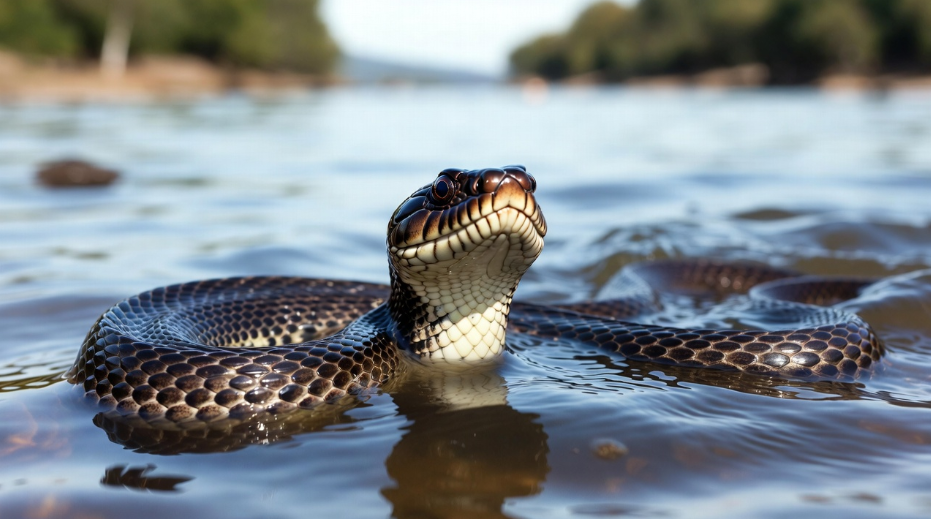
Have you ever been sitting by a pond and seen a little head poking out of the ripples? It was likely a water snake! These amazing creatures are some of the most common reptiles found near lakes and streams. Many people get scared when they see them, but they are actually a vital part of our nature. They spend their days sunbathing on logs or diving deep to find a snack.
Understanding the water snake is the best way to lose your fear of them. While they can look a bit grumpy, they are mostly just shy. They want to avoid people just as much as we sometimes want to avoid them! In this guide, we will dive into their world and learn what makes them so special. Whether you are a student or just a curious hiker, you will find everything you need to know right here.
Quick Facts: Water Snake Biography
Before we dive into the details, here is a handy table to help you get to know these slithery swimmers at a glance.
| Feature | Details |
| Common Name | Water Snake |
| Scientific Family | Colubridae (Genus: Nerodia) |
| Average Size | 2 to 4 feet long |
| Lifespan | 7 to 10 years in the wild |
| Diet | Fish, frogs, toads, and worms |
| Habitat | Ponds, lakes, marshes, and slow rivers |
| Temperament | Defensive but non-venomous |
| Main Colors | Brown, gray, tan, or reddish with bands |
Where Does a Water Snake Live?
You can find a water snake almost anywhere there is a steady source of water. They love places like quiet marshes, slow-moving creeks, and even the edges of large lakes. They are excellent swimmers and can stay underwater for quite a while. When they aren’t swimming, they love to climb onto low-hanging tree branches to soak up the warm sunshine.
The water snake is very picky about its home. It needs a place where it can find plenty of food and thick weeds to hide in. If a pond dries up, these snakes will often travel across land to find a new wet home. They are very hardy animals that have learned to live in many different types of weather across North America.
How to Identify a Water Snake
Identifying a water snake can be tricky because they come in many different colors. Most of them have dark brown or grayish skin with thick bands or spots along their backs. Their scales are “keeled,” which means they have a little ridge down the middle. This makes the snake feel rough instead of smooth like a ribbon.
One thing to notice about the water snake is its eyes. They have round pupils, which is a big hint that they are not venomous. Their heads are usually about the same width as their necks. If you see a snake in the water that looks heavy-bodied and a bit dull in color, you are likely looking at a member of the Nerodia family.
Is the Water Snake Dangerous?
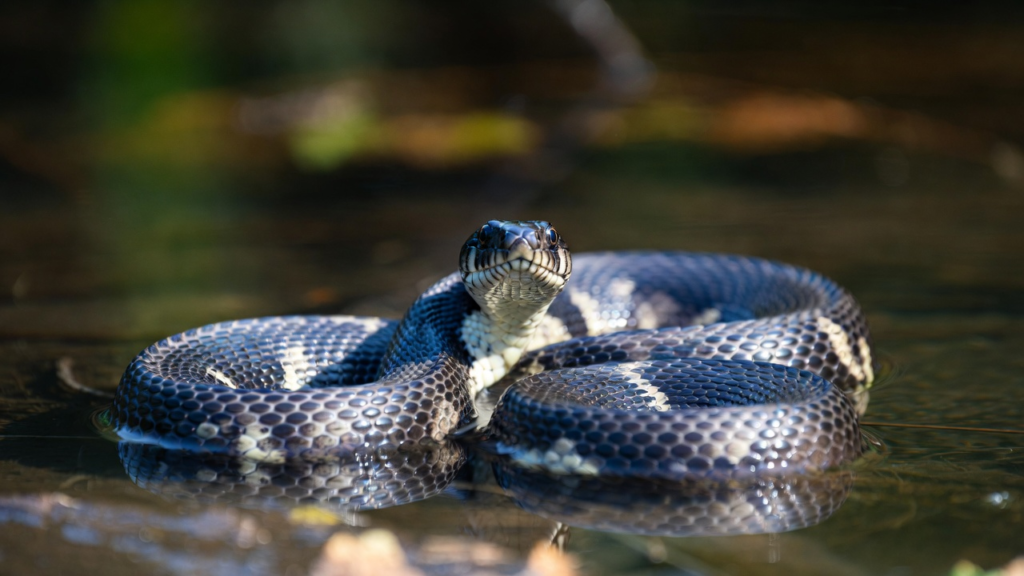
This is the question everyone asks! The short answer is no, a water snake is not venomous. They do not have any “poison” or venom to hurt humans. However, they can be very feisty! If you try to catch one, they will likely try to bite or release a very smelly musk to make you go away.
The water snake is often mistaken for the venomous Cottonmouth (Water Moccasin). Because they look similar, many people get scared and hurt the poor snake. It is important to remember that these snakes are just trying to live their lives. If you leave them alone and give them space, they will never bother you.
What Do Water Snakes Eat?
The water snake is a great hunter. Their favorite meals are small fish and slippery frogs. They use their quick reflexes to grab prey right out of the water. Sometimes, they will even hide near the shore and wait for a tasty toad to hop by. They don’t use venom; they just grab their food and swallow it whole.
Because the water snake eats so many different things, they help keep nature in balance. If there were no snakes, we might have too many frogs or sick fish in our ponds. By eating the slower or weaker animals, the water snake makes sure the underwater world stays healthy and strong. It is like they are the cleanup crew of the lake!
Life Cycles and Baby Snakes
Did you know that a water snake does not lay eggs? Instead, they give birth to live babies! In late summer or early fall, a mother snake can have anywhere from 10 to 30 babies at once. The little snakes are ready to swim and hunt the very moment they are born. They are tiny but very brave.
Baby water snake lives are very dangerous because many birds and large fish like to eat them. This is why they have so many babies at one time. Only a few of them will grow up to be big adults. They have to be very good at hiding in the grass and mud to stay safe from predators while they grow.
Different Types of Water Snakes
There isn’t just one kind of water snake out there. There are many different species! The Northern Water Snake is the most common one people see in the United States. There is also the Banded Water Snake, which has very pretty stripes. Some are solid colors, while others have bright bellies with orange or yellow spots.
Each type of water snake has its own favorite place to live. Some like salty water near the ocean, while others only like fresh water in the woods. Even though they look different, they all share the same love for swimming. Learning about the different types can turn a simple walk in the park into a fun treasure hunt!
How They Survive the Cold Winter
When the weather gets cold, the water snake cannot stay active. Since they are cold-blooded, their bodies slow down when the sun goes away. They find cozy spots in rock piles or underground burrows near the water. This is called brumation. It is very much like a long winter nap that lasts until the spring.
During this time, the water snake does not eat at all. They just rest and save their energy. Once the warm spring sun hits the ground, they wake up and head straight for the water. They are usually very hungry when they wake up! Seeing the first snake of spring is a great sign that summer is finally on its way.
Why We Need Water Snakes
We should be happy to have the water snake around us. They are a sign of a healthy environment. If the water is too dirty or polluted, these snakes cannot survive. So, if you see them swimming in your local creek, it means the water is doing pretty well! They are like little guardians of the ecosystem.
The water snake also provides food for other animals like hawks and herons. They are a bridge between the world of fish and the world of land animals. Without them, the food chain would be broken. Protecting their homes and keeping our water clean helps ensure that these cool reptiles stay around for a long time.
Tips for Watching Snakes Safely
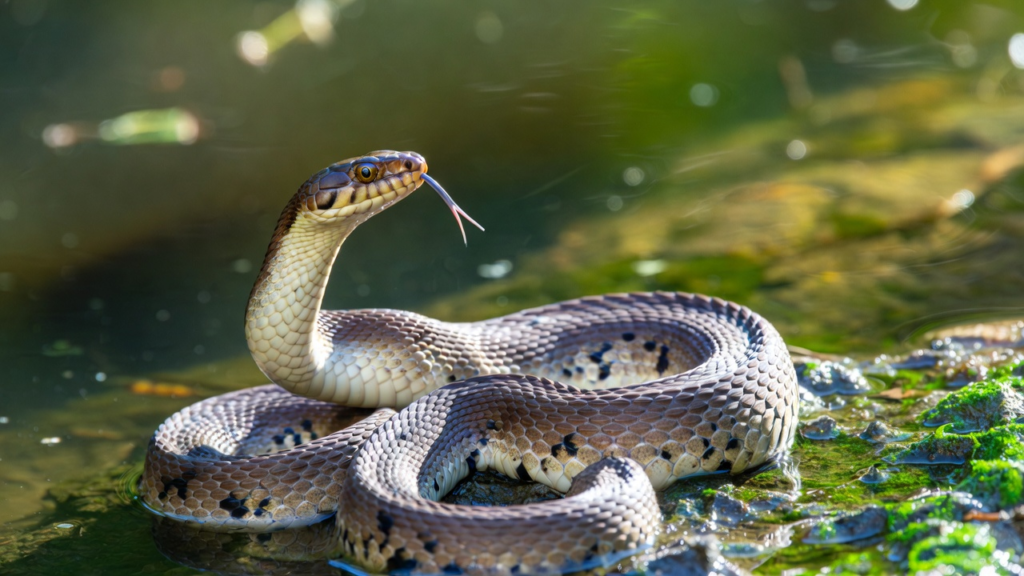
If you want to see a water snake in the wild, the best thing to do is use binoculars. This lets you see them up close without making them scared. Look for them on sunny days between 10 AM and 2 PM. They love to sit on rocks or logs that catch the bright sunlight.
Always remember the “two-step” rule: stay at least two big steps away from any water snake you find. This keeps you safe and keeps the snake calm. Never try to pick one up or poke it with a stick. If you are respectful, you might get to watch them hunt for a fish or even shed their old skin!
Conclusion: Respect the Water Snake
The water snake is a fascinating neighbor that deserves our respect. They aren’t the “monsters” that some movies make them out to be. They are just hardworking animals trying to catch a fish and stay warm in the sun. By learning the facts, we can stop being afraid and start appreciating their beauty.
Next time you are near a lake, keep your eyes peeled for a water snake. Remember that they are helpful, non-venomous, and very important for nature. We share our world with many amazing creatures, and these swimmers are some of the coolest ones around!
Frequently Asked Questions (FAQs)
1. Can a water snake hurt me?
A water snake is not venomous, so they cannot hurt you with poison. However, they can bite if they feel cornered or scared. Their bite might sting, but it isn’t dangerous. It is always best to look but never touch.
2. How can I tell a water snake from a Water Moccasin?
Look at the eyes and head. A water snake has round pupils and a thinner head. A Water Moccasin has cat-like slits for pupils and a very thick, blocky head. Also, water snakes usually swim with their bodies mostly submerged, while Moccasins float higher on top.
3. What should I do if I find one in my pool?
Don’t panic! The water snake probably just took a wrong turn. You can use a long pool skimmer to gently lift it out and move it to a nearby bushes or a pond. They will usually be happy to get back to their natural home.
4. How long can they stay underwater?
A water snake can stay submerged for about 5 to 15 minutes normally. If they are resting or hiding, they can sometimes stay under for much longer! They are incredible divers and very comfortable in the deep.
5. Do water snakes climb trees?
Yes! They are actually very good climbers. They often climb onto low branches that hang over the water. This lets them soak up the sun and drop quickly into the water if a predator comes near.