


Lavender Marriage
If you’ve ever heard the term Lavender Marriage and wondered what it actually means, you’re definitely not alone. To be honest, many people come across this phrase in movies, old Hollywood stories, or modern relationship discussions and think, Wait… what is that? And you know what’s interesting? The more you learn about it, the more you realize just how layered, emotional, and historically important this concept is.
So let’s talk about it in a human way — no judgment, no harsh labels, just a clear, warm understanding of what a Lavender Marriage really is and why it still shows up in conversations today.
What Is a Lavender Marriage?
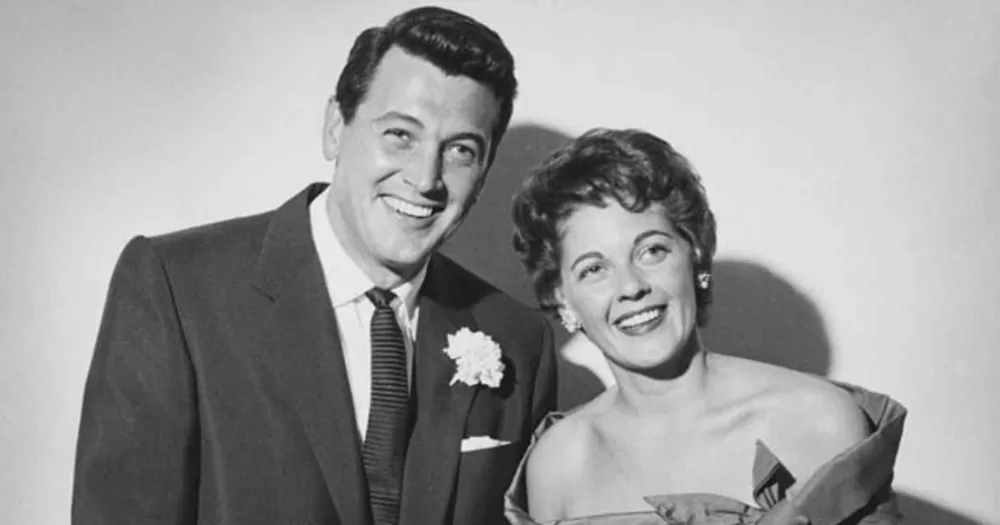
A Lavender Marriage refers to a marriage between a man and a woman where one or both partners are LGBTQ+, and the marriage is often formed to hide their sexual orientation from society. It’s basically a relationship designed for social protection rather than romantic love.
A Simple Way to Put It:
It’s a marriage where the world sees a “typical couple,” but behind the scenes, the partnership may operate more like an agreement — a way to avoid discrimination and maintain privacy in a judgmental environment.
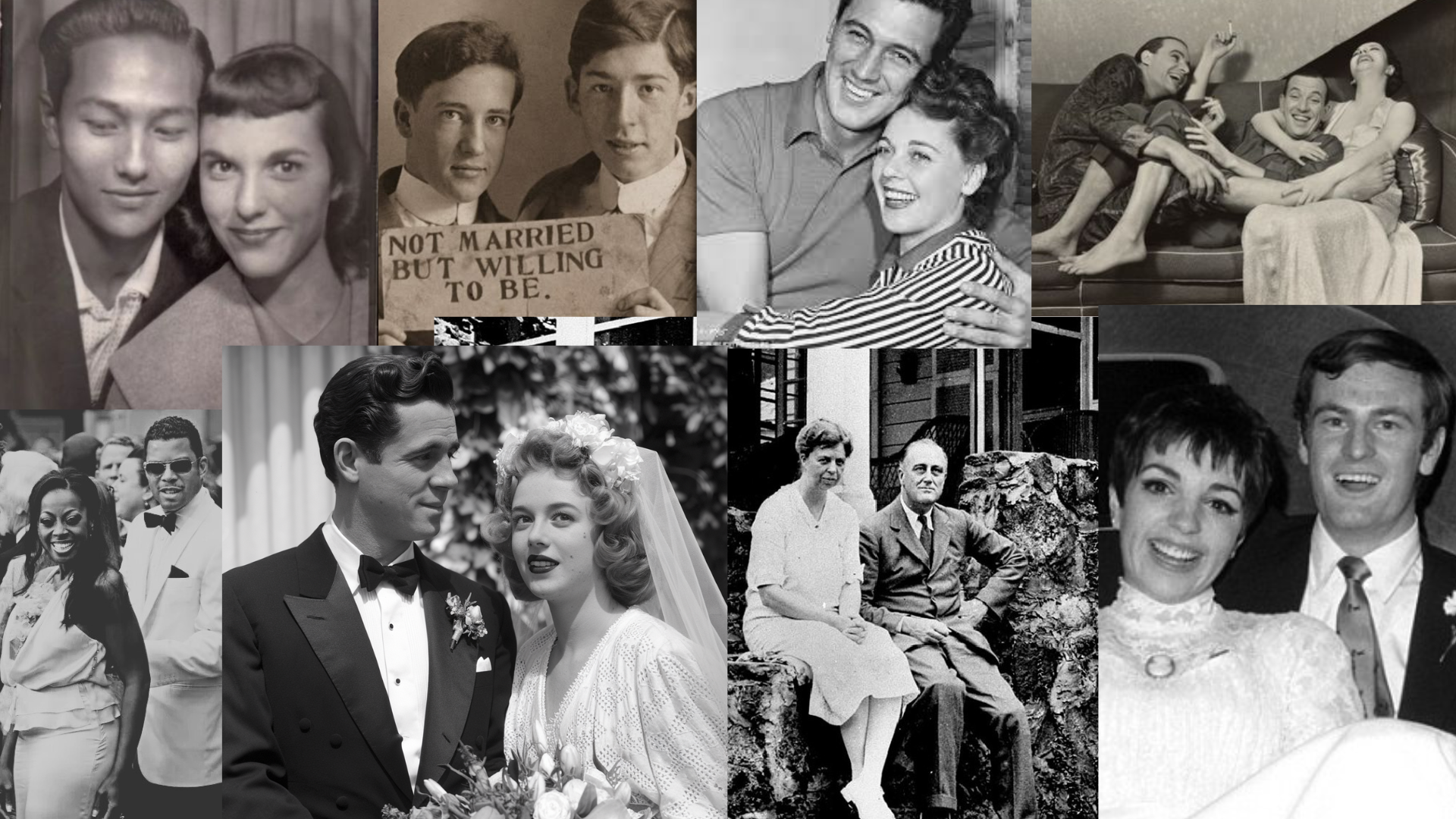
This kind of arrangement became especially well-known in the early 20th century, especially in Hollywood. Back then, being openly LGBTQ+ could ruin someone’s entire career, so many actors entered Lavender Marriages to protect themselves. But the idea didn’t stop there. It appears in different cultures, families, and societies even today.
Why Did Lavender Marriages Happen?
To understand Lavender Marriages, you have to consider the social pressures of different eras. Actually, even now, many people still feel judged or unsafe expressing their true identity. But decades ago, the pressure was even heavier.
1. Career Protection
In the entertainment industry, especially in old Hollywood, studios controlled everything. Actors were expected to fit a “perfect” public image, and being LGBTQ+ was considered scandalous. So these marriages helped protect careers.
2. Family Expectations
Some people entered Lavender Marriages simply because their families expected them to marry “normally.” And let’s be honest — family pressure can be intense, especially in conservative cultures.
3. Social Safety
In many parts of the world, being openly LGBTQ+ could lead to social isolation, legal consequences, or violence. A Lavender Marriage offered safety and stability.
4. Personal Privacy
Some individuals didn’t want to “come out” for personal reasons. A marriage acted as a shield from curiosity and gossip.
The Emotional Side of Lavender Marriage
You might think these marriages were cold or emotionless, but that’s not always true. Some Lavender Marriages were built on deep friendship, loyalty, and mutual support. And honestly, those qualities matter in any relationship.
But it wasn’t always easy.
The Hidden Pain
Imagine living a life where you can’t express your real love. That kind of emotional divide can be exhausting. Many people in these marriages struggled with:
- Loneliness
- Guilt
- Fear of being exposed
- Confusion about identity
- Pressure to maintain the “perfect” image
And yet, some still chose it because it felt safer than living authentically in a harsh world.
Do Lavender Marriages Still Exist Today?
You might think Lavender Marriages belong in the history books, but the truth is — they still happen now, though the reasons may be different.
Modern Reasons People Still Enter Lavender Marriages:
1. Cultural or Religious Pressure
In cultures where LGBTQ+ identities are heavily stigmatized, many individuals still feel forced to enter heterosexual marriages.
2. Professional Image
Certain careers, especially political or high-profile roles, can still be judgmental about sexual orientation.
3. Immigration or Legal Reasons
Some marriages form to protect each other legally, where revealing true relationships might be difficult or dangerous.
4. Personal Choice
Some people still prefer privacy. They choose a Lavender Marriage because it gives them control over how much of their identity they share with the world.
How Lavender Marriages Worked: The Unspoken Rules
Every Lavender Marriage was unique, but many had some common patterns.
1. Mutual Agreement
Both partners typically knew what the marriage meant — it wasn’t about love in a romantic sense, but about protecting each other.
2. Separate Private Lives
Partners often kept their personal relationships private, and sometimes discreet.
3. Public Unity
In public, they presented themselves as a typical couple — attending events together, living as a family, etc.
4. Respect and Boundaries
To make it work, both partners usually respected each other’s boundaries, relationships, and emotional needs.
5. Protection
Above all, the marriage acted as a shield — a way to exist safely in society without facing discrimination.
Famous Examples (Without Rumor or Gossip)
While many names get thrown around in pop culture, it’s important to avoid speculation. Historically, however, Lavender Marriages were widely acknowledged in certain industries, especially Hollywood.
Studio contracts from past decades even encouraged it, or at least didn’t discourage it. The concept was a known part of entertainment culture. That historical context matters, and it helps us understand why the term became so public.
Pros and Cons of Lavender Marriage
Let’s break it down clearly and respectfully.
Pros
- Protection from discrimination
- Social acceptance
- Privacy and control
- Strong friendships and loyalty
- Stability in a hostile environment
Cons
- Emotional loneliness
- Living inauthentically
- Fear of being exposed
- Strain from double lives
- Difficulty maintaining relationships outside the marriage
Some people found peace in this arrangement; others found it painful. Like any major life decision, it depended on personal circumstances.
Lavender Marriages in Different Cultures
You might be surprised, but various societies have versions of Lavender Marriages without calling them that.
In Asian countries:
Family honor plays a huge role, so many LGBTQ+ individuals feel pressure to marry heterosexually.
In the Middle East & Africa:
Legal and religious restrictions sometimes make same-sex relationships dangerous.
In Western countries:
Even today, public figures may still choose privacy due to scrutiny.
It’s a global topic that continues to evolve.
Are Lavender Marriages Ethical or Unfair?
This is one of those questions with no simple answer.
On one hand, they help people survive in difficult environments. On the other hand, they can create emotional complications for everyone involved.
But the key thing to remember is:
People enter Lavender Marriages because they feel they have no better option.
And when society becomes more accepting, these marriages decline naturally.
How Society Has Changed
Thankfully, the world has grown more accepting of the LGBTQ+ community. Not perfect, but better.
And as acceptance grows, the need for Lavender Marriages slowly fades. People feel safer being open, and that’s a beautiful shift.
But the emotional scars from decades of fear still matter. Understanding this history helps us support people with compassion today.
Conclusion
So, what’s the real heart of a Lavender Marriage
It’s a story of survival — of people trying to live safely in a world that wasn’t ready to accept them. It’s not about deception or drama; it’s about protection, privacy, and sometimes heartbreaking compromise.
If anything, Lavender Marriages remind us how important acceptance truly is. Everyone deserves a life where they can love freely, openly, and without fear.
And hopefully, as society keeps evolving, fewer people will ever feel the need for arrangements like these.
FAQs About Lavender Marriage
1. Is a Lavender Marriage the same as a marriage of convenience?
Not exactly. A Lavender Marriage specifically involves LGBTQ+ individuals seeking social protection, while a marriage of convenience can be for money, visas, or other reasons.
2. Are Lavender Marriages still common today?
They’re less common in many countries but still exist where cultural, legal, or family pressures make being openly LGBTQ+ difficult.
3. Do people in Lavender Marriages ever fall in love?
Sometimes they develop deep friendship or emotional connection, but typically the marriage isn’t based on romantic love.
4. Is a Lavender Marriage harmful?
It depends on the situation. For some, it provides safety and peace. For others, it creates emotional strain. Every case is different.