



connections hint
Have you ever stared at a grid of words, completely convinced they must connect somehow… yet your brain just refuses to cooperate? Yeah. We’ve all been there. You feel close, almost confident, and then — boom — wrong answer. Again.
That’s exactly where connections hints come into play.
Whether you’re playing the popular word-association puzzle every morning or just discovered it recently, understanding how to use connections hints can completely change the game. And no, it’s not about cheating or shortcuts. It’s about learning how the puzzle thinks — and training your mind to think the same way.
So grab a coffee, relax for a minute, and let’s break this down in a way that actually makes sense. Trust me, by the end of this article, you’ll approach every Connections puzzle with way more confidence.

What Is “Connections” and Why Is It So Addictive?
Before we dive into connections hints, let’s get clear on what the game actually is.
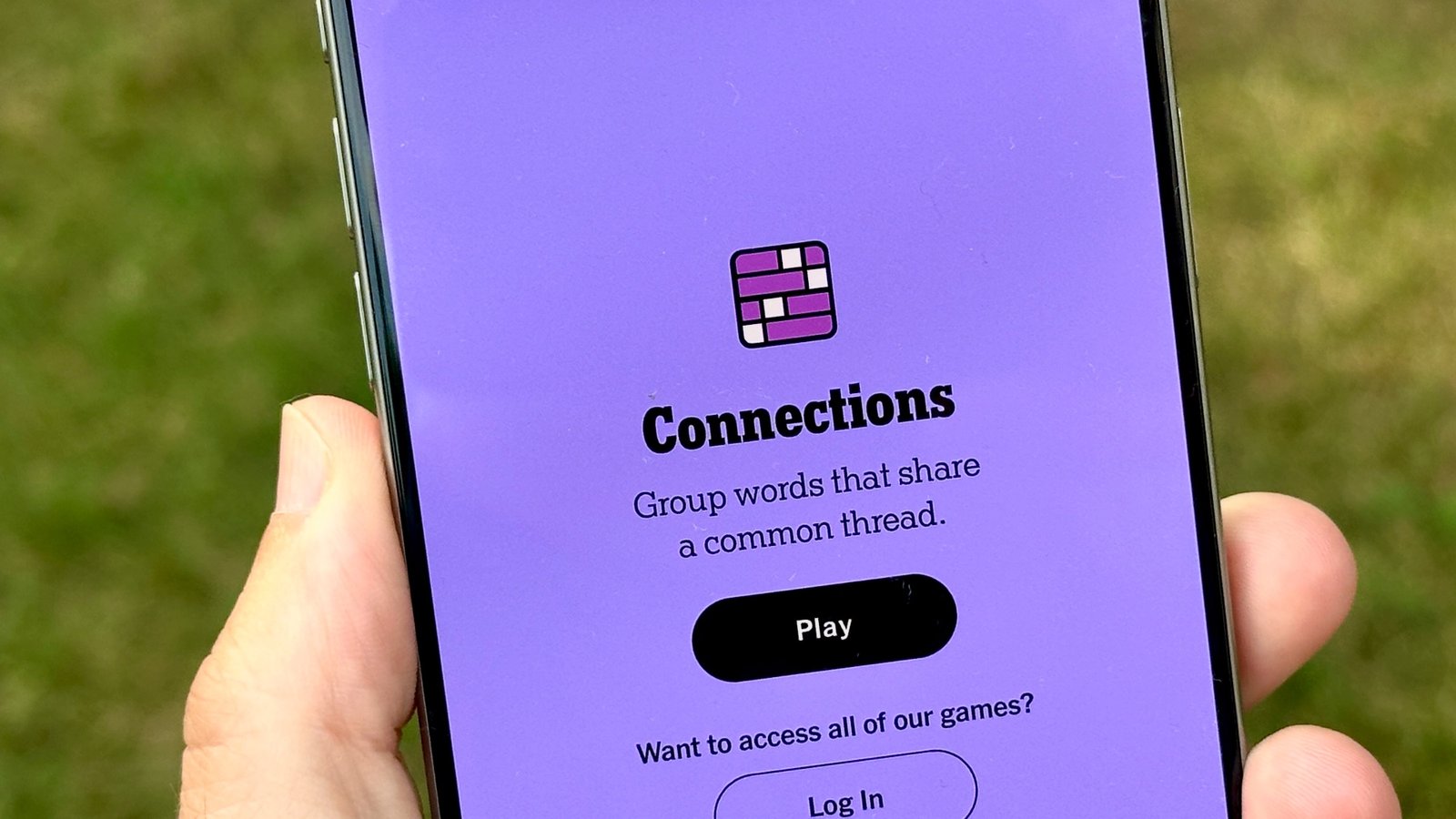
Connections is a word-grouping puzzle where you’re given 16 words and asked to sort them into four groups of four, based on a shared theme or relationship. Sounds simple, right?
Well… not exactly.
The challenge comes from the fact that:
- Some words seem like they belong together — but don’t
- Some words have multiple meanings
- Red herrings are everywhere
- One wrong assumption can throw off the entire grid
And that’s why people search for a connections hint instead of full answers. They want guidance without ruining the fun.
What Is a Connections Hint (And What It Is Not)
Let’s clear up a common misunderstanding.
A connections hint is not:
- The full solution
- A spoiler-heavy answer list
- A shortcut that removes all challenge
Instead, a good connections hint:
- Nudges your thinking in the right direction
- Helps you see patterns you might’ve missed
- Encourages logic instead of guesswork
Think of it like a friend leaning over and whispering, “You’re close… but look at those words a little differently.”
Why Our Brains Struggle With Connections Puzzles
You know what’s interesting? The puzzle isn’t just testing vocabulary. It’s testing cognitive flexibility.
Common Brain Traps Players Fall Into
- Literal thinking: Assuming words only mean one thing
- Surface grouping: Picking the most obvious connection too fast
- Overconfidence: Locking in a group before checking alternatives
- Category bias: Seeing a theme you want to see
And honestly, these are very human mistakes. Our brains love shortcuts. Connections punishes shortcuts.
That’s why hints work so well — they slow you down just enough to rethink.
How to Use a Connections Hint the Right Way
Here’s the thing: not all hints are equal. Some help you grow. Others make you dependent.
The Smart Way to Use a Connections Hint
- Pause before using it
Give the puzzle a real attempt first. Even 5–10 minutes helps. - Use hints one category at a time
Don’t try to solve all four groups at once. - Ask yourself why the hint works
Understanding the logic matters more than the answer. - Apply the lesson to future puzzles
Patterns repeat more often than you think.
A hint should feel like a lightbulb moment — not a cheat code.
Types of Connections Hints You’ll See Most Often
Let’s break down the most common hint styles and how to interpret them.
1. Category-Based Hints
These gently point you toward a theme.
Examples:
- “One group relates to types of movement”
- “Think about words associated with money”
- “One category involves slang terms”
👉 Your job: find which four fit — not force them.
2. Meaning Shift Hints
These are trickier, but powerful.
Examples:
- “Some words don’t mean what you think they mean”
- “Think metaphorically, not literally”
- “These words share a secondary definition”
This is where many players get stuck. Words like “pitch,” “draft,” or “strike” can mean several things.
3. Wordplay or Form-Based Hints
These focus on structure rather than meaning.
Examples:
- “Look at prefixes or suffixes”
- “These words can all follow the same word”
- “They become phrases when paired with another word”
This is especially common — and very satisfying when it clicks.
4. Elimination Hints
Sometimes a hint doesn’t tell you what is connected — it tells you what isn’t.
Examples:
- “Don’t group these by profession”
- “This isn’t about geography”
- “Avoid the obvious category”
Honestly? These hints can save you from your biggest mistake.
Step-by-Step Strategy Using Connections Hints
Let’s put everything together.
Step 1: Scan for Obvious Pairs
Before hints, just look:
- Synonyms?
- Shared themes?
- Same part of speech?
Write mental notes — don’t lock anything in yet.
Step 2: Use a Light Connections Hint
At this stage, a small hint helps:
- “One group relates to sound”
- “One category involves actions”
Now re-scan with that lens.
Step 3: Test and Eliminate
Once you think you’ve found one group:
- Remove those words mentally
- Re-evaluate the remaining 12
Often, the rest become clearer once one group is solved.
Step 4: Avoid Overthinking the Last Group
The final four usually fit by elimination, not brilliance.
And that’s okay.
Why Connections Hints Improve Your Skills Over Time
Here’s the part people don’t talk about enough.
Using hints correctly actually:
- Improves pattern recognition
- Expands vocabulary awareness
- Trains flexible thinking
- Reduces frustration
You start noticing recurring themes:
- Homophones
- Phrasal word endings
- Categories like “things that follow ___”
Eventually, you’ll need fewer hints. That’s progress.
Common Mistakes Even Experienced Players Make
Even pros slip up. Watch out for these:
- Solving too fast
- Ignoring secondary meanings
- Assuming difficulty equals complexity
- Forgetting the puzzle is designed to mislead
Sometimes the simplest grouping is the correct one — you just didn’t trust it.
Connections Hint vs. Full Answer: Why Hints Are Better
Let’s be honest. Full answers feel good for about five seconds.
Then what?
You didn’t learn anything.
A connections hint:
- Preserves the challenge
- Builds problem-solving skills
- Makes the win feel earned
And honestly? That’s way more satisfying.
How Often Should You Use Connections Hints?
There’s no rule — but here’s a healthy approach:
- Beginner: Use hints freely
- Intermediate: Use 1–2 hints max
- Advanced: Use hints only when stuck
The goal isn’t perfection. It’s enjoyment.
Connections Is More Than a Game (Here’s Why)
You know what’s kind of beautiful about this puzzle?
It mirrors real life.
We group ideas, make assumptions, misread signals, and sometimes need a gentle hint to see things differently.
Connections teaches:
- Patience
- Humility
- Creative thinking
And honestly, that’s not a bad way to start your day.
Conclusion: Use Connections Hints to Get Better — Not Lazy
So here’s the takeaway.
A connections hint isn’t a weakness. It’s a tool. When used thoughtfully, it makes you sharper, not dependent. It helps you learn the language of the puzzle — its tricks, patterns, and personality.
Next time you’re stuck, don’t get frustrated. Take a breath. Use a hint. Learn from it.
And then? Try again tomorrow — a little smarter than before.
FAQs About Connections Hints
1. What is a connections hint?
A connections hint is a subtle clue that guides you toward a correct word grouping without giving away the full answer.
2. Are connections hints considered cheating?
No. They help you learn and improve while preserving the challenge of the puzzle.
3. How many hints should I use per puzzle?
Ideally, one or two. Enough to guide you, not solve it for you.
4. Do connections puzzles repeat patterns?
Yes. Categories and wordplay styles often repeat, which is why learning from hints is so valuable.