




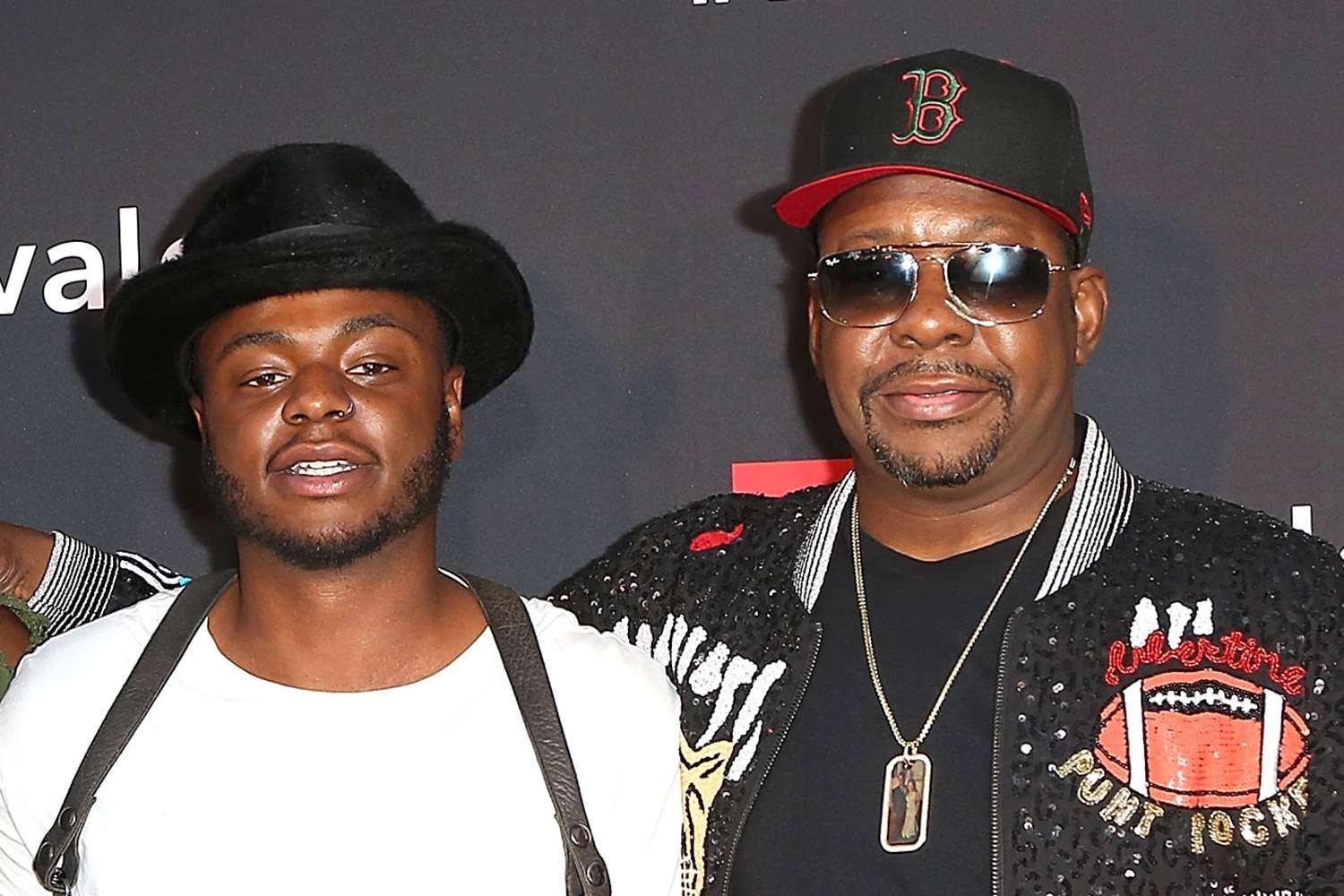
bobby brown jr
You know what’s heartbreaking? Sometimes a name carries both privilege and pressure. It opens doors, sure—but it also casts a long shadow. Bobby Brown Jr. lived inside that tension. He was the son of a music legend, yet he was also a young man trying to carve out his own identity, his own sound, and his own sense of purpose.
If you’ve ever felt defined by expectations that weren’t entirely yours, bobby brown jr you’ll understand his story. And to be honest, that’s why it still resonates. This isn’t just a tale of fame or tragedy. It’s about ambition, vulnerability, family bonds, and the quiet struggles many people face—often out of public view.
So let’s talk about Bobby Brown Jr. with care, context, and humanity.
Who Was Bobby Brown Jr.? A Gentle Introduction
Bobby Brown Jr. was an American musician and emerging artist best known as the son of R&B icon Bobby Brown. But reducing him to lineage alone misses the point. He was a creative spirit, a young man with dreams, and someone who wanted to be seen for who he was—not just where he came from.
He explored music, fashion, and self-expression with curiosity and courage. And while his life was shorter than anyone would have wished, his story invites reflection on legacy, mental health, and the importance of support systems.
Growing Up in the Shadow of a Legend
Let’s start where many stories begin: family.
Being the child of a global music star is complicated. On one hand, there’s access—studios, mentors, exposure. On the other, there’s pressure—comparisons, expectations, assumptions.
For Bobby Brown Jr., growing up meant:
- Constant comparisons to his father
- Public curiosity about his choices
- Expectations to follow a certain path
And yet, like many young adults, he wanted space to experiment, to fail, to learn, and to grow on his own terms.
Finding His Own Voice Through Music
Music ran in his blood, but Bobby Brown Jr. didn’t try to replicate his father’s sound. Instead, he explored modern styles and personal themes, blending contemporary influences with emotional honesty.
He worked on:
- Original tracks
- Collaborations
- Creative experimentation
And while his catalog was still developing, his intent was clear: to be authentic.
You know what’s interesting? Authenticity takes courage—especially when the world expects a carbon copy of someone else.
Navigating Fame Without Choosing It
Here’s something we don’t talk about enough: not everyone born into fame asks for it.
Bobby Brown Jr. didn’t grow up chasing headlines. In fact, much of his life remained relatively private. He appeared occasionally alongside his father at events, but he wasn’t seeking constant attention.
That balance—being visible yet reserved—is hard to maintain. And it can be emotionally taxing, especially when people feel entitled to opinions about your life.
A Complicated Relationship with Public Expectations
Public expectations can feel like a script written by strangers.
For Bobby Brown Jr., those expectations included:
- Musical success
- Emotional resilience
- Constant strength
But real life doesn’t follow scripts. It’s messy, uncertain, and sometimes overwhelming.
And when expectations collide with internal struggles, the weight can feel unbearable.
Family Bonds: Love, Support, and Shared Pain
Despite challenges, family remained central to Bobby Brown Jr.’s life.
His relationship with his father was layered—marked by love, concern, and mutual understanding shaped by shared experiences in the public eye. Bobby Brown, having faced his own struggles, spoke openly about wanting better for his children.
That desire—to protect your child from the mistakes you made—is deeply human. And it’s something many parents can relate to.
The Importance of Mental Health Conversations
It’s impossible to talk about Bobby Brown Jr.’s story without acknowledging a broader issue: mental health.
So many young people today face:
- Anxiety
- Depression
- Identity pressure
- Emotional isolation
And when fame or family legacy is added to the mix, those challenges don’t disappear—they often intensify.
Talking openly about mental health doesn’t assign blame. It builds understanding. And understanding saves lives.
Loss That Shook a Family—and a Community
When Bobby Brown Jr. passed away, the news sent shockwaves through fans and the music community. But beyond headlines, there was a family grieving a son, a brother, a loved one.
Loss is never just an event. It’s a ripple.
And for families who have experienced public loss before, the pain can feel compounded—relived under scrutiny.
Grief in the Public Eye: An Unfair Burden
Grieving privately is hard enough. Grieving publicly adds another layer of pain.
After his son’s passing, Bobby Brown spoke about grief with heartbreaking honesty. His words reflected not just sorrow, but a desire to raise awareness—to help others avoid similar pain if possible.
And that choice matters. Turning grief into purpose is one of the hardest things a person can do.
What Bobby Brown Jr.’s Story Teaches Us
There are lessons here, and they’re not abstract. They’re practical. They’re urgent.
1. Legacy Is Heavy
Being born into fame doesn’t remove vulnerability.
2. Mental Health Deserves Priority
Silence helps no one. Conversation helps everyone.
3. Support Systems Matter
Connection can make the difference between coping and collapsing.
4. Compassion Is Essential
We never know what someone is carrying.
These lessons apply to all of us, not just public figures.
Remembering Bobby Brown Jr. Beyond Headlines
It’s easy to remember people for how they died. It’s harder—and more meaningful—to remember how they lived.
Bobby Brown Jr. was:
- Creative
- Curious
- Searching
- Human
And those qualities deserve to be acknowledged with respect.
How Families Can Support Young Adults Under Pressure
If there’s one practical takeaway, it’s this: pressure thrives in isolation.
Families can help by:
- Encouraging open conversations
- Removing stigma around mental health
- Offering presence without judgment
- Seeking help early, without shame
These steps aren’t dramatic—but they’re powerful.
Why His Story Still Matters Today
You might wonder: why revisit this story?
Because it reminds us that:
- Pain can hide behind privilege
- Silence can be dangerous
- Compassion can be life-saving
And because honoring someone’s life means learning from it.
Turning Pain Into Awareness
In the aftermath of loss, many families choose advocacy. They speak up so others don’t suffer alone.
Sharing stories—when done respectfully—can:
- Encourage people to seek help
- Normalize difficult conversations
- Build empathy
That ripple effect matters.
A Broader Conversation We Need to Keep Having
Bobby Brown Jr.’s story isn’t isolated. It’s part of a larger conversation about:
- Youth mental health
- The pressures of identity
- The cost of silence
And the more we talk about it—with care and accuracy—the better chance we have of supporting those who need it most.
Conclusion: A Life That Calls for Compassion
So, who was Bobby Brown Jr
He was more than a famous last name.
More than a headline.
More than a moment.
He was a young man navigating expectations, creativity, and vulnerability—just like so many others.
If his story encourages even one person to reach out, to listen more closely, or to lead with compassion, then his legacy continues in a meaningful way.
And sometimes, that’s how change begins.
FAQs About Bobby Brown Jr.
1. Who was Bobby Brown Jr.?
Bobby Brown Jr. was a musician and the son of R&B legend Bobby Brown, known for pursuing his own creative path in music.
2. Was Bobby Brown Jr. involved in music?
Yes, he explored music and creative expression, working on original material and developing his own artistic identity.
3. Why is Bobby Brown Jr.’s story important?
His story highlights the pressures of legacy, the importance of mental health awareness, and the need for compassion and support.
4. What can we learn from Bobby Brown Jr.’s life?
We can learn the value of open conversations, early support, and treating mental health with the same seriousness as physical health.