



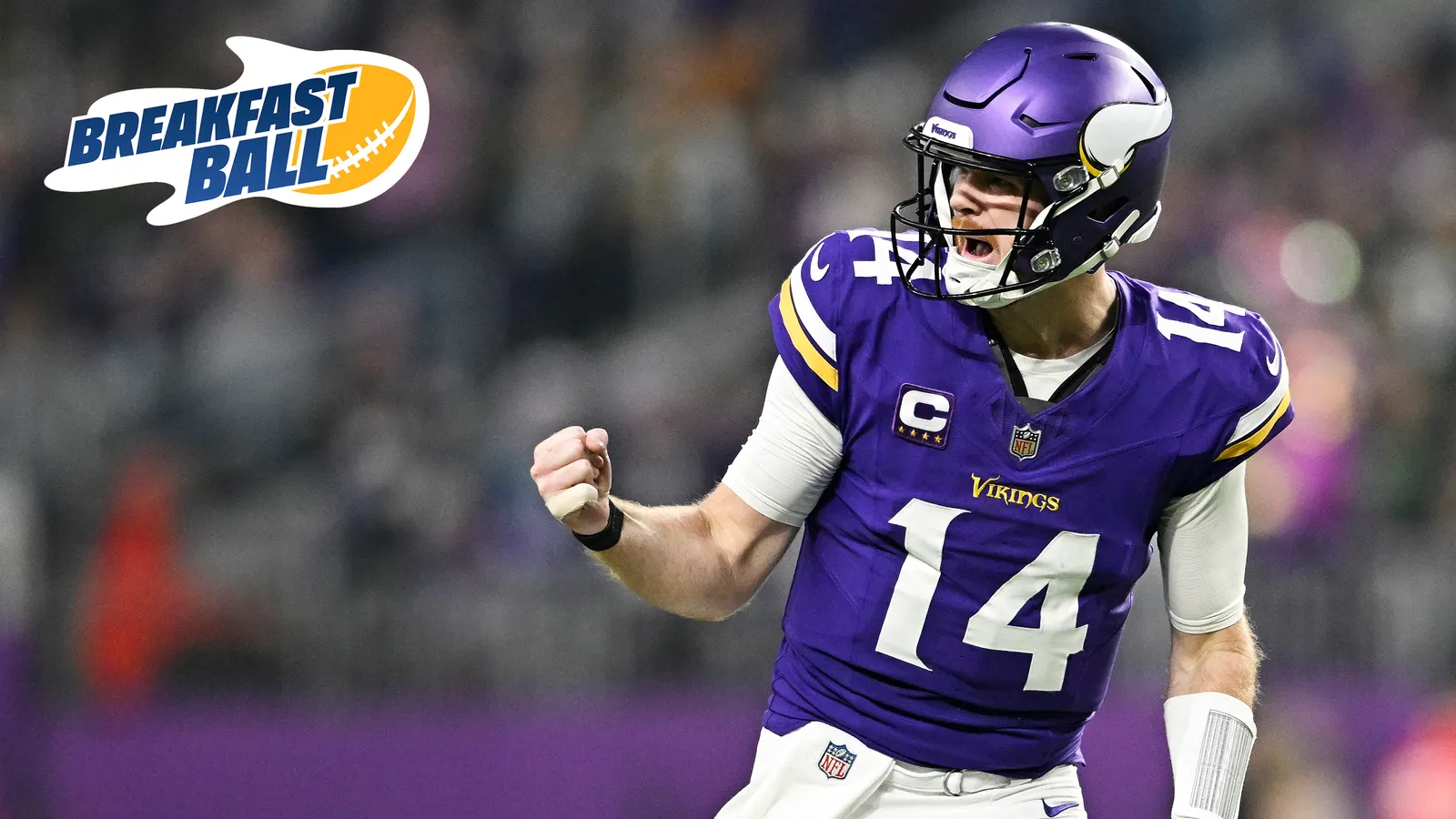
minnesota vikings vs los angeles rams match player stats
Introduction: Some Games Look Simple—Until You Look Closer
You ever watch a game and think, “Yeah, I know exactly how this is going to go”—and then two quarters later you’re staring at the screen like, wait… how did we get here?
Yeah. That’s exactly the feelingminnesota vikings vs los angeles rams match player stats matchups tend to leave behind.
n paper, it’s a clean clash: Midwest toughness versus West Coast creativity. But when you dive into the minnesota vikings vs los angeles rams match player stats , you realize this game is never just about talent. It’s about timing. Momentum. Confidence. And those tiny moments that flip everything.
So let’s slow things down Minnesota Vikings vs Los Angeles Rams match player stats—not like a spreadsheet, but like a story. Because trust me, once you see how the numbers connect, the game makes way more sense.
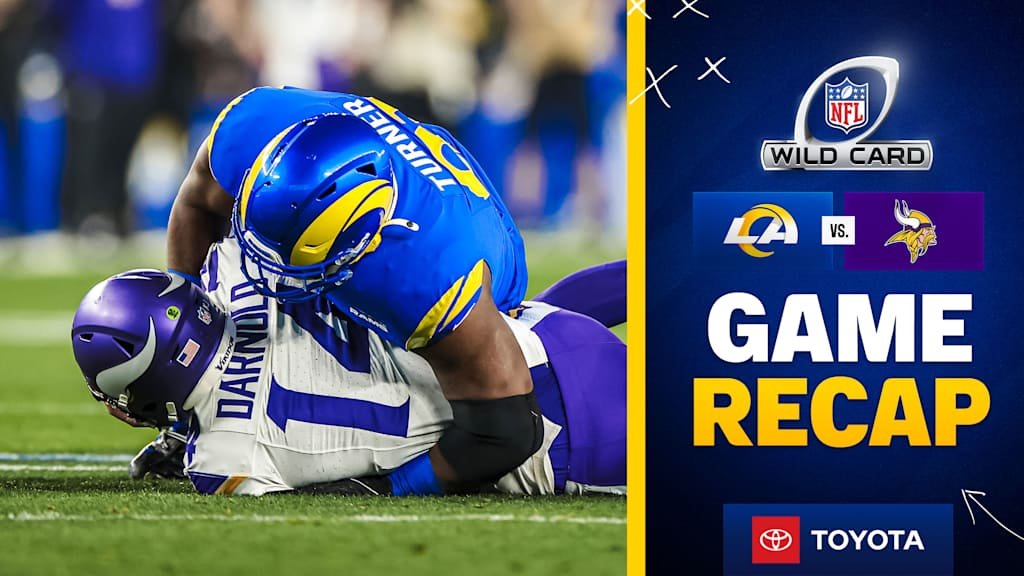
Setting the Scene: Two Teams, Two Philosophies
Before we touch a single stat, context matters.
The Vikings often play with emotional urgency. Their style leans into rhythm, trust, and execution. When things click, they click fast.
The Rams, meanwhile, thrive on structure and creativity. Their offense is built on spacing and misdirection, while their defense feeds off disruption.
When these minnesota vikings vs los angeles rams match player stats collide, player stats don’t just reflect performance—they reveal who imposed their will.
Quarterback Match Player Stats: Command vs Control
minnesota vikings vs los angeles rams match player stats Quarterback Performance
The Vikings quarterback entered the game knowing one thing: mistakes would be punished immediately. The Rams’ defense doesn’t wait for errors—it hunts them.
Stat-wise, Minnesota’s quarterback focused on:
- High-percentage throws
- Pre-snap reads
- Rhythm passing to avoid pressure
Completion percentage told an important story here. While the raw passing yards might not scream dominance, the v minnesota vikings vs los angeles rams match player stats kept Minnesota competitive.
And honestly, that matters more than flashy stats sometimes.
Key themes from the stat sheet:
- Strong third-down conversion rate
- Minimal forced throws
- Controlled pocket movement
minnesota vikings vs los angeles rams match player stats Quarterback Stats
The minnesota vikings vs los angeles rams match player stats quarterback brought calm confidence—and the stats reflect it.
Los Angeles leaned into:
- Play-action success
- Deep-to-intermediate throws
- Red-zone efficiency
What really stood out wasn’t just passing yards—it was when those yards came. Big completions on momentum drives. Touchdown throws that followed defensive stops. That’s quarterbacking that shapes games.minnesota vikings vs los angeles rams match player stats
Running Back Match Player Stats: Quietly Shaping the Game
Vikings Running Game Breakdown
Minnesota’s running backs played a role that doesn’t always get enough credit.
Their stats showed:
- Consistent yards per carry
- Key first-down conversions
- Effective pass protection snaps
You know what’s interesting? Some of the most valuable runs were the least exciting ones. Those 3–5 yard gains that set up manageable downs and kept the offense balanced.
The Vikings didn’t dominate the ground game—but they stabilized it. And that shows up clearly in time-of-possession stats.
Rams Running Back Performance
The Rams’ rushing attack brought variety.
Their player stats highlighted:
- Outside zone success
- Receiving yards from the backfield
- Red-zone rushing efficiency
Los Angeles didn’t rely on one runner. Instead, they rotated roles, keeping Minnesota’s defense guessing. That versatility made play-action more dangerous—and the numbers back it up.
Wide Receivers and Tight Ends: Where Explosiveness Shows
minnesota vikings vs los angeles rams match player stats
Minnesota’s receivers entered the game knowing separation would be earned, not given.
Stat trends included:
- High catch rates on contested throws
- Strong yards after catch
- Reliable targets on critical downs
One receiver, in particular, stood out by consistently moving the chains—even without huge yardage totals. That kind of reliability doesn’t always headline stat sheets, but it wins drives.
Tight ends also played a crucial role, especially on:
- Short-yardage situations
- Red-zone spacing
- Blitz recognition
Los Angeles Rams Receiving Breakdown
The Rams’ receivers told a different story—one built on spacing and timing.
Their match player stats revealed:
- Multiple receivers with meaningful yardage
- Explosive plays over 20 yards
- Touchdown distribution across targets
This spread-out production made defensive adjustments difficult. Minnesota couldn’t key in on one threat, and the numbers clearly show that advantage.
Defensive Match Player Stats: Pressure Changes Everything
Minnesota Vikings Defensive Performance
Minnesota’s defense focused on disruption rather than dominance.
Key defensive stats included:
- Quarterback pressures
- Run stops at the line
- Third-down resistance
While sack totals weren’t overwhelming, pressure rate told the real story. The Vikings forced rushed throws and limited deep passing opportunities more often than it might appear at first glance.
Linebacker stats also stood out, especially in coverage and open-field tackling.
Los Angeles Rams Defensive Stats
The Rams’ defense brought intensity—and the numbers confirm it.
Their stat sheet showed:
- Consistent backfield penetration
- Tackles for loss
- Turnover opportunities
What really separated them was red-zone defense. When Minnesota crossed midfield, scoring became harder. And that’s where games quietly swing.
Special Teams and Turnovers: The Hidden Stat Battle
You know what fans don’t talk about enough? Special teams—until something goes wrong.
Vikings Special Teams Performance
Minnesota’s special teams stats reflected discipline:
- Reliable kicking
- Solid coverage
- No major mistakes
Sometimes, not making headlines is a good thing.
Rams Special Teams and Turnover Impact
Los Angeles gained subtle advantages:
- Better average starting field position
- Momentum-shifting returns
- Capitalizing on turnover chances
One turnover, in particular, shifted the tone of the game—and when you see how the following drive ended, the importance becomes obvious.
Head-to-Head Player Comparisons
Quarterbacks
- Vikings: efficiency and composure
- Rams: timing and red-zone execution
Running Backs
- Vikings: consistency and control
- Rams: versatility and explosiveness
Defenses
- Vikings: pressure without overcommitting
- Rams: disruption and situational dominance
When you lay these stats side by side, the game’s flow suddenly becomes clear.
What the Match Player Stats Really Tell Us
So what’s the big takeaway?
The Minnesota Vikings vs Los Angeles Rams match player stats reveal a battle between discipline and creativity. Minnesota stayed competitive through control and smart football. Los Angeles pulled away through execution in key moments.
Stats don’t just explain what happened—they explain why.
Why This Matchup Matters Going Forward
These games shape more than standings. They:
- Reveal strengths under pressure
- Expose areas that need adjustment
- Build confidence—or urgency—for future matchups
For fans, analysts, and fantasy players alike, this matchup offers lessons worth remembering.
Conclusion: Numbers Fade, Stories Don’t
At the end of the day, the final score eventually fades. But the story told by the stats stays.
The Minnesota Vikings vs Los Angeles Rams match player stats show us a game defined by timing, discipline, and decisive moments. One team executed when it mattered most. The other fought to stay in rhythm.
And honestly? That’s football at its best.
So next time you see a stat line, don’t just skim it. Read it. There’s always more going on beneath the surface.
FAQs: Minnesota Vikings vs Los Angeles Rams Match Player Stats
Q1: Who had the better quarterback performance in this matchup?
The Rams quarterback showed stronger red-zone efficiency, while the Vikings quarterback excelled in decision-making and ball control.
Q2: Which team dominated defensively?
Los Angeles had the edge in disruptive plays, but Minnesota showed discipline and consistency throughout the game.
Q3: Were running backs important in this matchup?
Absolutely. Both teams used their running backs to control tempo and support the passing game.
Q4: Why are match player stats important for fans?
They explain momentum shifts, player impact, and why games unfold the way they do—beyond just the score.